Magnesium Glycinate, Explained: Why This Form Was Chosen For Nerve Support
Magnesium glycinate is widely considered one of the better-absorbed, gentler forms of supplemental magnesium — a meaningful design choice for a nerve-focused formula.
Understanding why the glycinate form matters, and what magnesium actually does for nerve function, helps explain why it leads this ingredient list.
Why magnesium matters for nerves
Magnesium is an essential mineral involved in normal nerve transmission and muscle function. It plays a role in regulating the electrical signals nerves use to communicate, and adequate magnesium status is generally associated with more stable nerve signalling. The NIH Office of Dietary Supplements summarises the broader evidence base.
The glycinate form specifically
Magnesium supplements come in many forms — oxide, citrate, glycinate and others — which differ in absorption and digestive tolerance. Magnesium glycinate is generally considered gentler on digestion than cheaper forms like magnesium oxide, which is more commonly associated with a laxative effect at higher doses. This matters for a daily-use formula, since digestive discomfort is one of the most common reasons people stop taking a supplement.
The nerve-regeneration research angle
Beyond general nerve signalling, research published in Frontiers in Cell and Developmental Biology has found that magnesium can promote peripheral nerve regeneration in studied contexts — a more specific and directly relevant finding for a nerve-support formula than magnesium's general nutritional role alone.
Why deficiency correction matters more than general supplementation
As with most minerals, correcting an actual magnesium insufficiency has clearer supporting evidence than supplementing when levels are already adequate. Mild magnesium insufficiency is relatively common in modern diets, which is part of why this mineral appears so frequently in general wellness formulas.
Applying this to Quiet Nerves
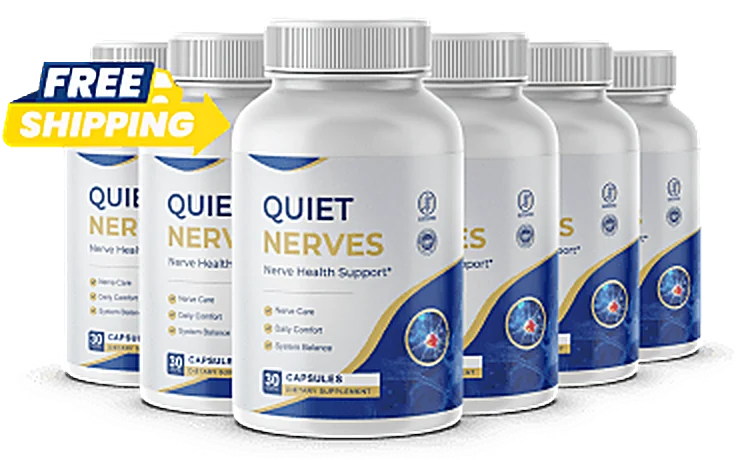
Magnesium glycinate is the first ingredient in Quiet Nerves' six-ingredient formula, and arguably its most defensible inclusion on evidence grounds. As with the rest of the label, the specific milligram amount per capsule is not disclosed.